Article Summary
The practical lesson is that XLOOKUP is almost always the better choice when you control the Excel environment, because it eliminates VLOOKUP's three major limitations: only rightward lookup, default approximate match, and reliance on column index numbers. The diagnostic angle: if you're building a workbook for distribution to people with older Excel versions, you must stick with VLOOKUP or provide a compatibility fallback. Also, XLOOKUP makes formulas easier to read and maintain by removing the need for helper columns or IFERROR wrappers. The key diagnostic question to answer is: 'Am I locked into legacy Excel compatibility?' If no, use XLOOKUP; if yes, use VLOOKUP with careful handling of its pitfalls.
No content available for this article.
Try these tools
AI Spreadsheet Assistant for Smarter Excel Work: Natural Language Data Operations
Stop wrestling with complex Excel formulas! Our AI Spreadsheet Assistant understands natural language commands and executes sophisticated data operations instantly. Just describe what you need in plain English - from data cleaning and formula generation to automated workflows. Perfect for teams who want Excel power without the Excel expertise.
AI Data Analysis: Advanced Statistical Analysis & Predictive Insights Without Coding
Unlock professional-grade data analysis without a PhD in statistics! Our AI performs advanced statistical tests, identifies hidden patterns, and generates accurate forecasts through natural language queries. From t-tests and regression to predictive modeling and anomaly detection - get enterprise-level analytics in minutes. Ask questions in plain English and receive publication-ready results.
Stop Manual Data Entry – Extract Tables in Seconds
Convert any image or PDF table to Excel instantly with 99.9% accuracy. TabliSync's AI-powered OCR handles handwritten forms, receipts, and complex tables – then syncs directly to Google Sheets, Notion, or Airtable
Try TabliSync Free NowRecommended Posts
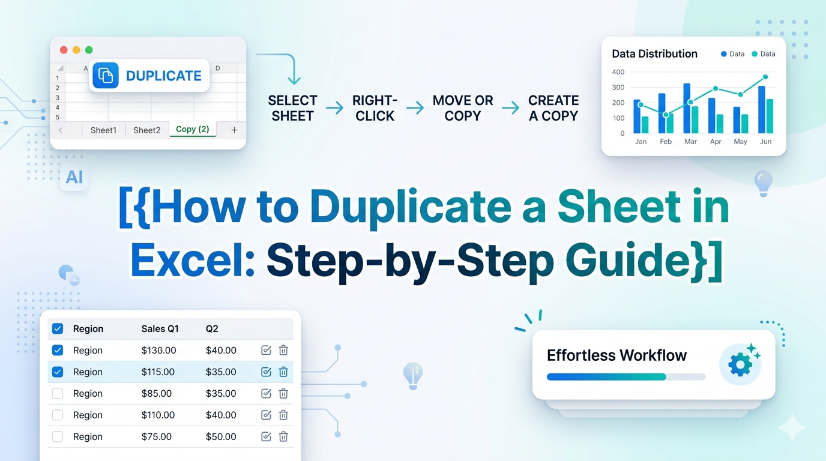
How to Duplicate a Sheet in Excel: Step-by-Step Guide
This guide provides step-by-step instructions on how to duplicate a sheet in Excel, helping users manage their spreadsheets efficiently and accurately. Whether you're working with financial reports, inventory sheets, or any other data, duplicating sheets can save time and ensure consistency. Follow our clear instructions to master this essential Excel skill. By the end of this guide, you'll be able to duplicate sheets with confidence and keep your work organized. Don't forget to explore how TabliSync can further enhance your spreadsheet management tasks after you’ve learned this skill!
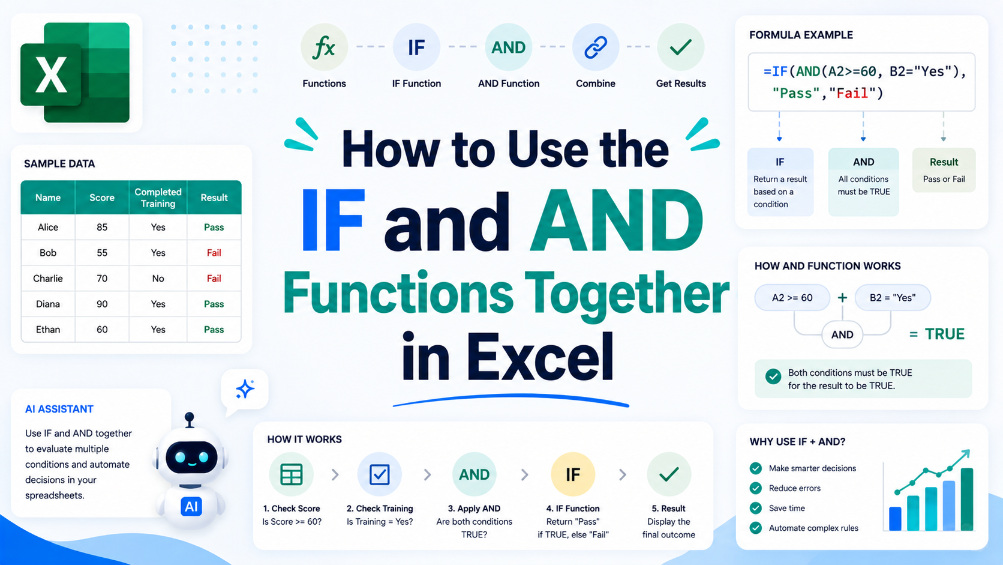
How to Use the IF and AND Functions Together in Excel
This article guides users through the process of combining IF and AND functions in Excel, helping them improve their data analysis and reporting. With step-by-step instructions and practical examples, readers will enhance their spreadsheet skills. By understanding how to effectively use these functions together, users can create more complex logical tests that are essential for accurate reporting and business decision-making. Common use cases are explored, along with tips for avoiding common errors. Whether you're an accountant, finance team member, or data analyst, this guide will provide the necessary tools to boost your Excel proficiency and streamline your workflow.
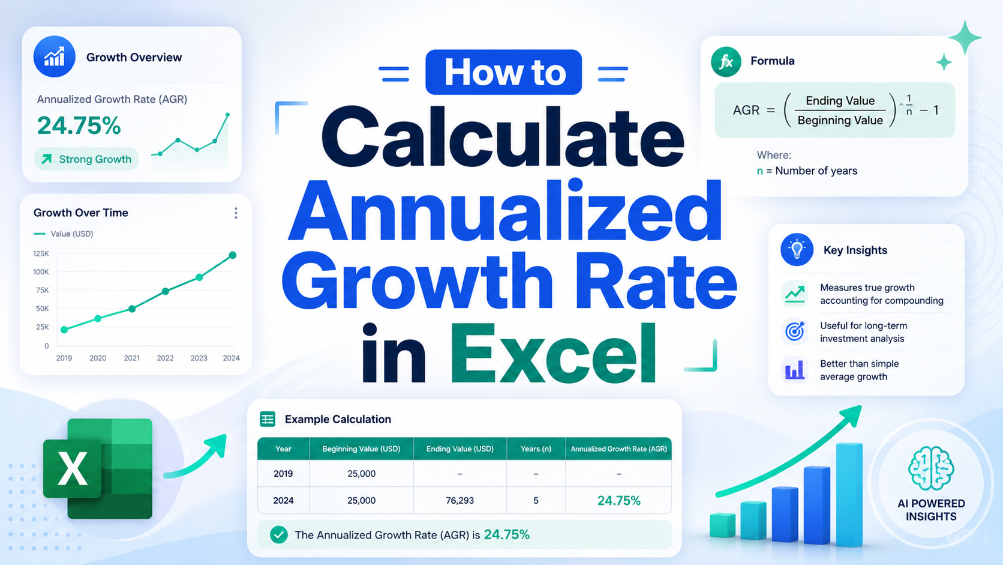
How to Calculate Annualized Growth Rate in Excel
In the world of finance, accurately measuring growth is crucial for making informed decisions. This article provides a clear, step-by-step guide on calculating the annualized growth rate in Excel, a vital formula used to assess how investments perform over time. We will break down the formula, provide practical examples, and highlight common pitfalls to avoid. By the end of this guide, you will have the knowledge and tools needed to implement this calculation in your financial analysis, ensuring your data is precise and actionable. Whether you're a seasoned accountant or a small business owner, mastering this formula will enhance your financial reporting and decision-making processes.
How to Save PDF as Excel
This guide walks you through the process of converting PDF files into Excel spreadsheets using TabliSync. If you've ever struggled to transfer data from a PDF to an editable format, you're not alone. Many users face challenges such as slow manual entry, formatting issues, and inaccuracies in data transfer. This article provides a clear, step-by-step approach to help you efficiently convert your PDFs into Excel files. You'll learn not just how to perform the conversion but also tips for ensuring the best results and common pitfalls to avoid. With TabliSync, you'll find a streamlined solution that simplifies your data management tasks and improves your workflow, allowing you to focus on analysis rather than tedious data entry.
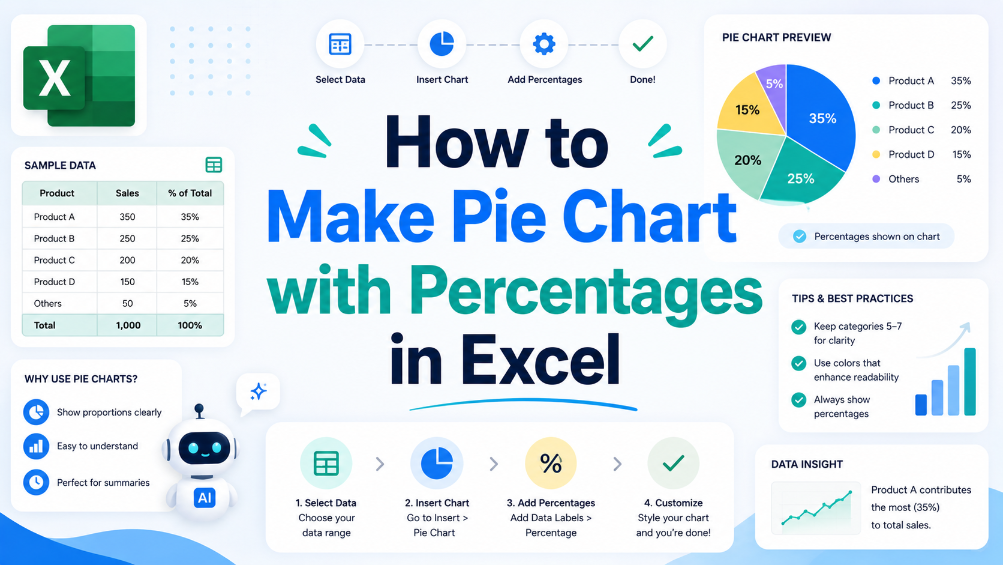
How to Make Pie Chart with Percentages in Excel
In today's data-driven world, effectively visualizing information is crucial for business success. This article provides a clear and practical guide on creating pie charts in Excel using percentage data. Whether you're an accountant working with financial reports or an analyst translating sales data into visual formats, pie charts can enhance understanding and presentation. Follow the outlined steps to create pie charts that accurately reflect your data, and discover tips for customization to improve clarity and impact. Additionally, learn how TabliSync can assist in preparing your data for these visual representations, making the process smoother and more efficient. By the end of this article, you'll have the skills to present your data visually, ensuring you convey information effectively and make informed decisions based on accurate representations.
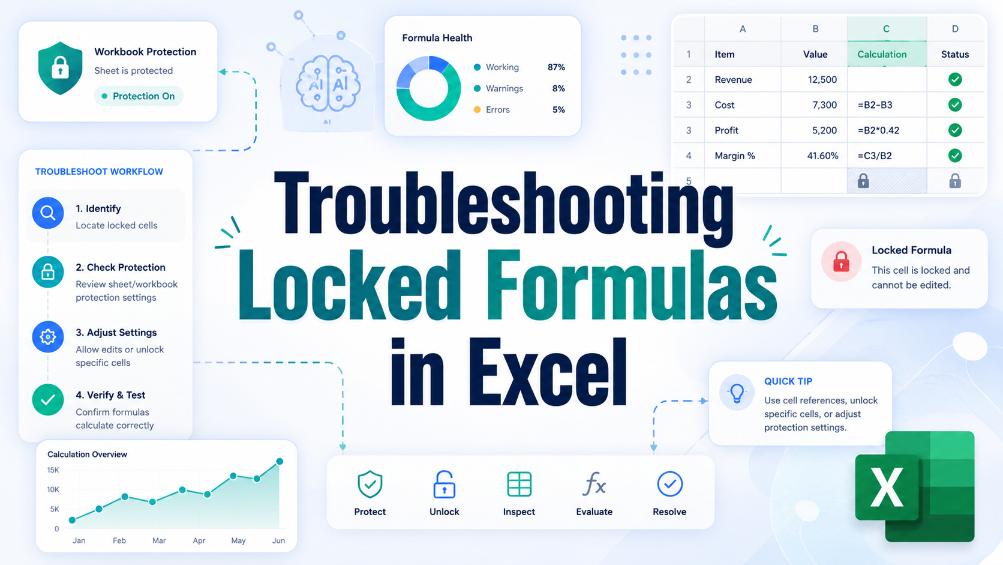
Troubleshooting Locked Formulas in Excel
This troubleshooting guide provides users with practical solutions for unlocking formulas in Excel, addressing common issues and offering tips for preventing future problems. Locked formulas can be a significant hurdle for business users, particularly those in finance and administration who rely on accurate data manipulation. Through a step-by-step approach, this article helps readers understand the causes of locked formulas and offers effective strategies to resolve these issues. By implementing the solutions outlined here, users can regain control over their spreadsheets, ensuring they can effectively edit and manage their data without unnecessary frustration. The article also emphasizes best practices to prevent such issues in the future, contributing to smoother, more efficient spreadsheet workflows and allowing users to focus entirely on accurate data handling.